
Air Flushing
Air flushing removes indoor pollutants like formaldehyde, VOCs, and dust following construction. While typically a 24-hour process, achieving LEED, WELL, EDGE and BERDE certifications requires a 48-hour cycle to meet air volume standards.
- We are providing different services
- We are one of leading company
- We are providing different services
- We are one of leading company
Mission
To create the best air solutions for workspaces, ensuring healthier, safer, and more productive environments for all.
Vision
To be the best provider of Air Solutions in the Philippines by 2030 To be the trusted leader in workplace Air Solutions, setting the standard for healthier offices and inspiring organizations to prioritize the well-being of their people through cleaner air.
ASUVION-2000
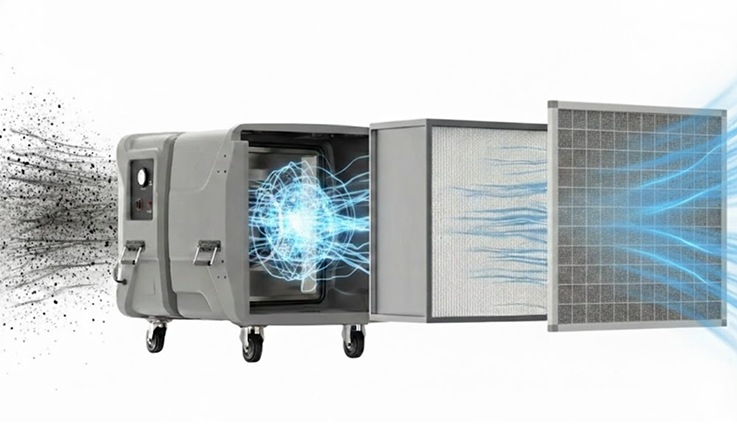
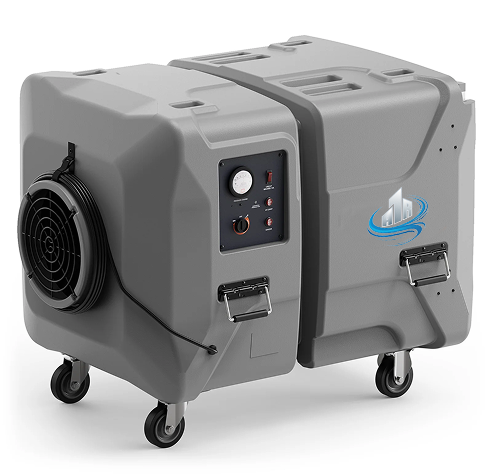
ASUVION 2000 UVIG negative air machine uses UV-C light and ion generator technology to clean the air of fine particles thoroughly. The device has HEPA and pre-filter to capture 99.97% of particles and create a healthy and comfortable indoor environment.
- Multilevel and Highly Efficient Filtration
- 2000 CFM Powerful Airflow
- Advanced UV-C Light & Ionizer Tech
We have over
20 years of experience
Projects Complete
Happy Clients
Awards
Our Partners
Lorem ipsum dolor sit amet, in quodsi vulputate pro. Ius illum vocent mediocritatem an cule dicta iriure at phaedrum.


Air Flushing FAQ: Ensuring a Healthy Workspaces
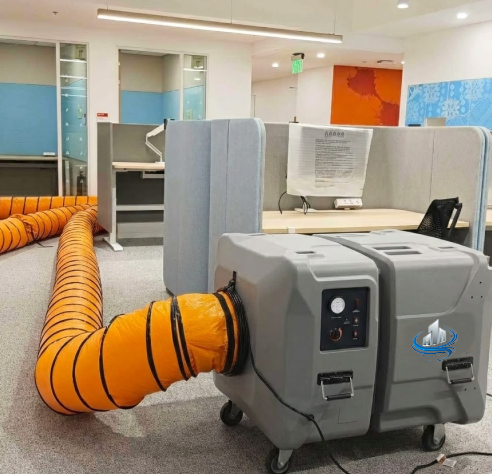
Air Flushing is the final step in preparing a newly constructed or renovated office for occupancy. Conducted immediately after fit-out construction and before employees move in, this process is designed to remove indoor air pollutants that accumulate during the construction. By thoroughly flushing out dust, volatile organic compounds (VOCs), and other airborne contaminants, Air Flushing ensures that the indoor environment is clean, fresh, and safe. This proactive measure guarantees that employees enter a workspace with healthy air quality from day one—supporting both well-being and productivity.
Air Flushing is conducted continuously for 24 hours. This full-day cycle is necessary to ensure that construction-related pollutants are thoroughly cycled out of the indoor environment, providing a healthy atmosphere from the moment the doors open.
The process specifically targets harmful substances generated during fit-out and renovation, including:
• VOCs & Formaldehyde: Released by new carpets, furniture, paints, and adhesives.
• Particulate Matter (PM10 and PM2.5): Fine dust and debris from construction materials.
• Chemical Odors: Lingering smells from varnishes and industrial cleaners.
Skipping this process allows pollutants to remain trapped indoors, where they can linger for weeks. This leads to poor indoor air quality (IAQ) and several preventable risks:
1. Health & Safety
• Respiratory Protection: Prevents inhalation of fine dust that can trigger asthma or bronchitis.
• Chemical Safety: Minimizes exposure to VOCs, reducing the risk of headaches, dizziness, and long-term health concerns.
• Allergy Prevention: Removes fibers and particles that cause skin and eye irritation.
2. Workplace Productivity